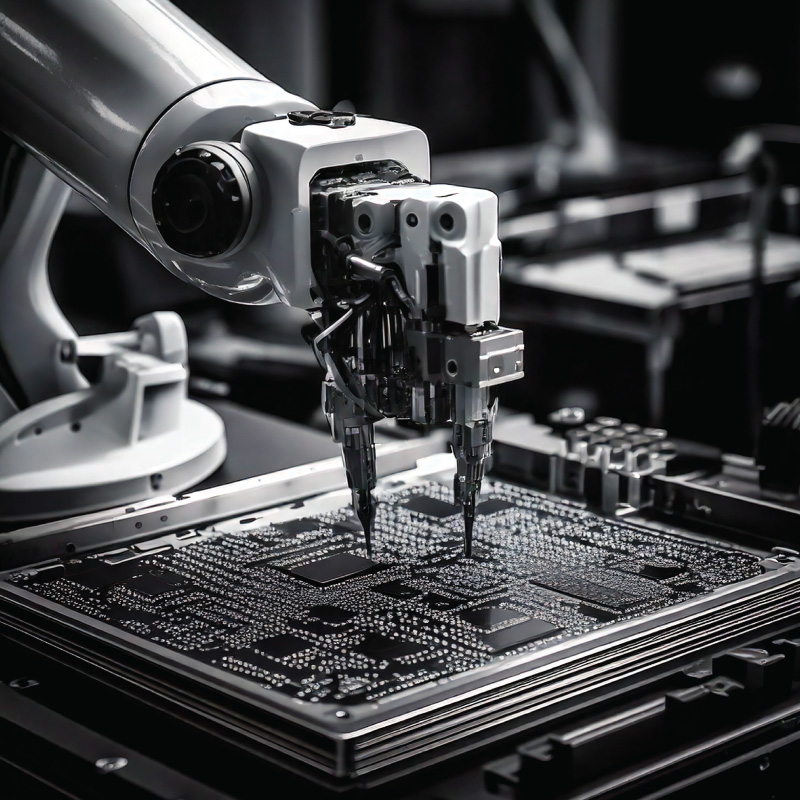

Modern national security is no longer defined solely by traditional kinetic hardware; instead, software superiority, autonomous systems, and real-time data processing have taken center stage. Artificial intelligence and advanced robotics represent the dual pillars of this new technological frontier, fundamentally changing how decisions are made and executed on the battlefield and in logistics. From predictive analytics that streamline supply chains to autonomous unmanned systems handling hazardous reconnaissance missions, these technologies are vital to maintaining a competitive edge. For venture capital firms, investing in these sectors requires looking beyond the consumer applications to identify robust, hardened systems capable of operating in degraded, high-stakes environments where failure is not an option.
However, transitioning a brilliant artificial intelligence model or a sophisticated robotic prototype from a laboratory environment into a fully deployed defense asset introduces massive technical and operational hurdles. Startups must prove their systems can withstand electronic warfare, maintain data integrity against adversarial manipulation, and operate seamlessly alongside legacy military infrastructure. This is where specialized investment due diligence becomes invaluable, analyzing not just market size but the deep technical resilience and software architecture of the product. Ventures that successfully integrate ruggedized hardware with secure, adaptive AI algorithms stand to capture massive market share across both commercial manufacturing and government contracting networks.
As the pace of global innovation accelerates, the collaboration between private tech founders and national security decision-makers will dictate the timeline of technological readiness. The objective is to transform innovative, creative ideas into tangible, actionable steps that can be effectively executed under pressure. By focusing on scalability, strict compliance management, and strategic optimization, early-stage companies can bypass traditional bureaucratic bottlenecks. The future belongs to the agile innovators who can deploy secure AI and autonomous robotics at scale, establishing a robust security apparatus that protects national interests while driving massive commercial breakthroughs.